
How do I know if a vase is worth money?
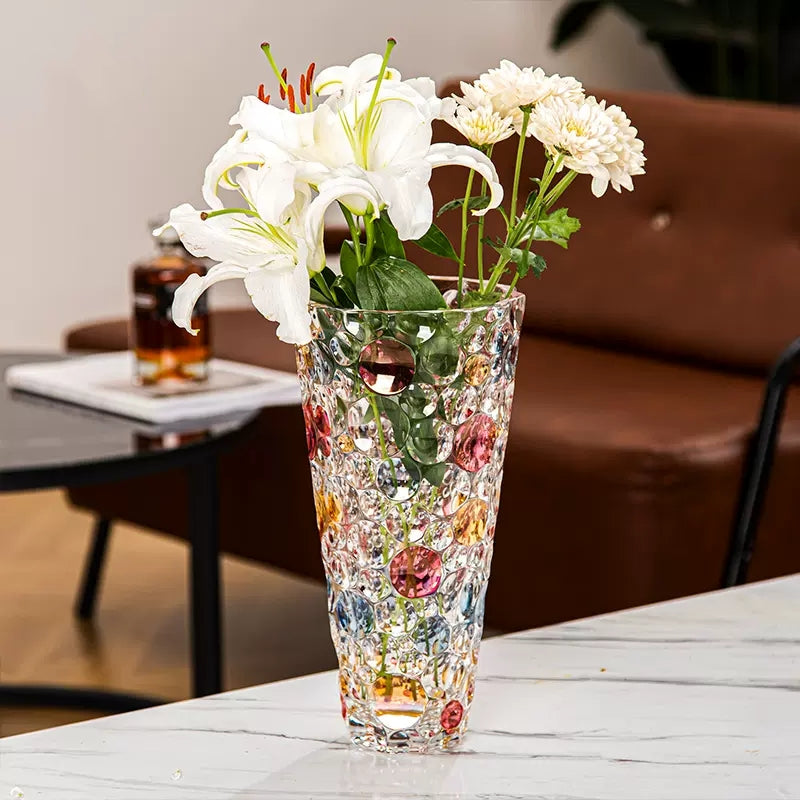
Discovering whether a vase holds significant monetary worth involves moving beyond simple aesthetics to a structured analysis of its origins, craftsmanship, and market context. Using a distinguished example like the Bohemia "Lisboa Eleganza" crystal vase series as a reference point, we can outline the key factors that contribute to value in decorative arts.

1. Provenance and Identity: The Foundation of Value
The first and most crucial step is to establish the object's pedigree. A clear, reputable origin is a primary value driver.
-
Maker's Mark and Brand: Carefully examine the base for any markings, signatures, or labels. For example, a name like "Bohemia," originating from a historically significant glassmaking region in the Czech Republic, immediately indicates a heritage of centuries of craftsmanship. Specific series names like "Eleganza Vessels" suggest it's a high-end, meticulously crafted series within that brand. Authentic brand markings are crucial in determining the basic value of the product.
-
Artistic Lineage: Descriptions such as "crafted by legendary Bohemian glassmakers" connect the object to a highly regarded tradition of exquisite craftsmanship. Vases from renowned workshops or famous designers are more valuable than those of unknown origin.

2. Craftsmanship and Materials: The Evidence of Quality
Value is embedded in the tangible details of construction and decoration.
-
Material Excellence: "Crystal" denotes quality. Lead crystal (often 24%+ lead oxide) is prized for its exceptional clarity, weight, and ability to refract light into a spectrum of colors—its "brilliance." The material should feel substantial and cool to the touch.
-
Handcrafted Techniques: Phrases like "hand-applied gold accents" and "mosaic of colored enamel" are direct indicators of value. These labor-intensive techniques—hand-gilding with precious metals and meticulous enamel work—require superior skill and time. They cannot be perfectly replicated by machines, making each piece unique. The complexity and precision of these decorations are paramount.
-
Design Integrity: As "transformative pieces of art," the design should be cohesive, innovative, and well-executed. The description of the enamel coming "to life in the light" speaks to a deliberate interplay between form, material, and light, a hallmark of sophisticated design.
3. Condition and Preservation: The Critical Multiplier
Condition is the single most important factor affecting the final price, especially for modern luxury items.
-
Flawless Expectation: For brand new or recently launched luxury items like these, the condition must be absolutely flawless. Any minor cracks, chips (especially on gilded edges or delicate bases), scratches, or stains will significantly reduce their value. The enamel and gold details must be perfectly intact, without any wear or fading.
-
Originality and Packaging: The presence of original boxes, certificates of authenticity, care booklets, or designer tags ("crafted to intrigue, inspire, and infuse luxury") adds to its provenance and confirms its untouched state, supporting a higher valuation.
4. Market Context and Scarcity: The Reality Check
An object is ultimately worth what the market is willing to pay.
-
Comparative Sales Research: Investigate the actual sold prices (not just asking prices) for similar vases from the same brand or series. Check auction house archives, high-end antique dealers, and specialty online marketplaces. This research provides a realistic price range.
-
Aesthetic Currency: Does the vase's style align with current collecting trends? Timeless elegance, as suggested by its name, often holds value better than fleeting fashions. Its role as a "singular statement" piece adds to its decorative appeal.
Conclusion: A Methodical Approach
To determine if your vase is valuable, emulate the appraisal process:
-
Identify it (mark, brand, series).
-
Analyze its make (materials, handwork, design).
-
Scrutinize its state (perfect condition is key).
-
Research its market (sold prices, scarcity).
A vase like the Bohemia "Lisboa Eleganza" encapsulates value through its heritage brand, demonstrable handcrafted luxury, intentional artistic design, and requirement for perfect preservation. By applying these four pillars of assessment systematically, you can move from wondering about potential worth to making an informed and educated valuation.


2 comentarios
I have a large vase with some sort of Chinese marking on it
Jason Bearder
I have a large marked vase i would l8ke to find out the value please
Jason Bearder
Dejar un comentario
Este sitio está protegido por hCaptcha y se aplican la Política de privacidad de hCaptcha y los Términos del servicio.