
Do you get drunk on sake?

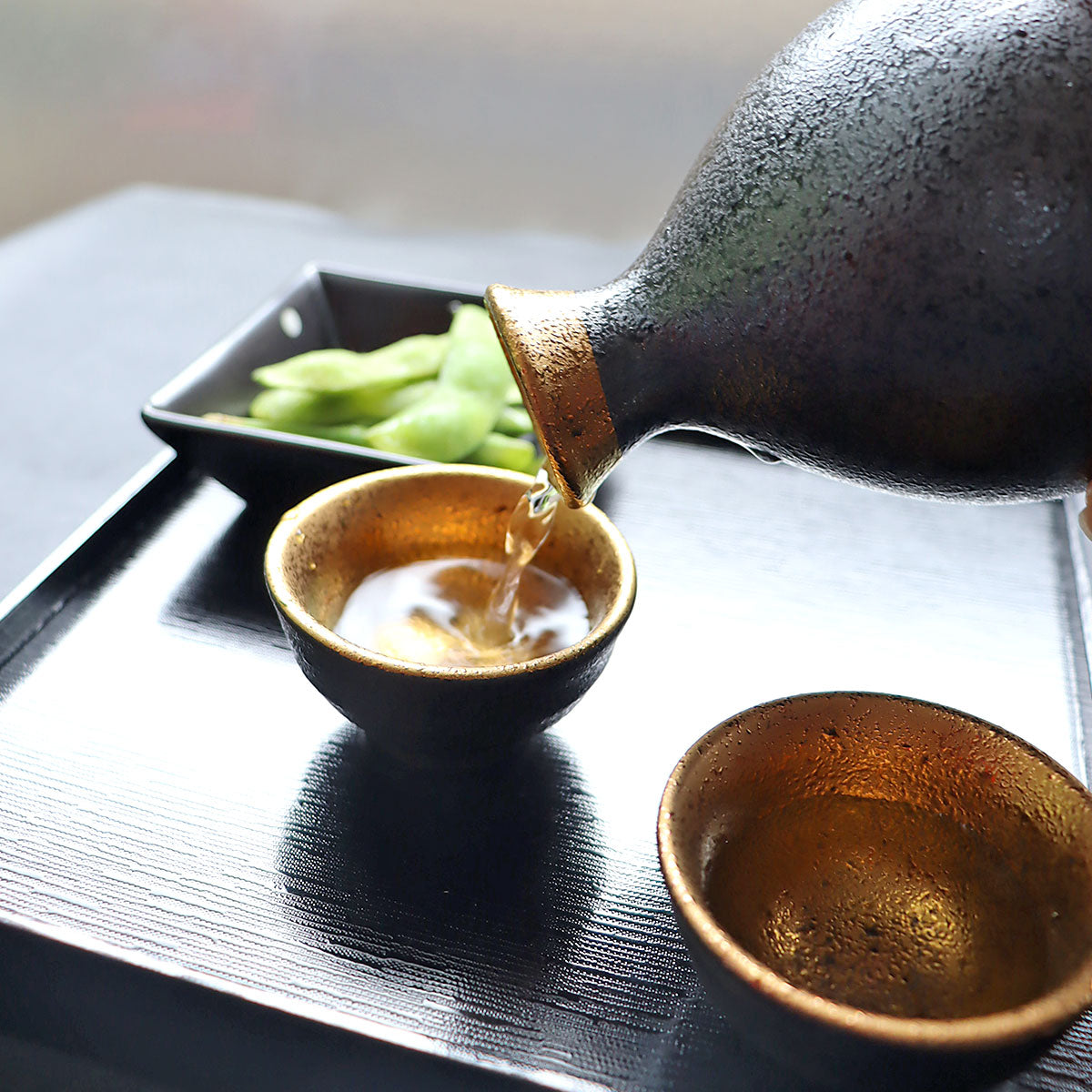
This scene is considered classic: a serene wooden masuzu box, an exquisite ceramic sake cup, and a glass of clear, sparkling sake being carefully poured into it. Sake, as Japan's highly revered national drink, is often associated with ritual, elegance, and subtle flavors. This presentation might create a strong misunderstanding, especially for those accustomed to the direct impact of spirits like whiskey or vodka. Thus, curious novices and seasoned drinkers alike murmur:Do you actually get drunk on sake?
The short, unequivocal answer is yes. Drinking sake can indeed lead to intoxication. However, this simple answer masks a more complex and fascinating truth. The experience of sake intoxication—including its timing, characteristics, and cultural perceptions—is shaped by a unique interplay between biochemistry, drinking customs, and philosophical traditions, making it distinctly different from other alcoholic beverages.

The Science of the Sake Buzz: Alcohol by Volume and Absorption
At its core, intoxication is a biochemical process. Ethanol, the common alcohol in all fermented and distilled drinks, is a psychoactive substance that depresses the central nervous system. Sake typically has an Alcohol by Volume (ABV) of 15-17%. This places it squarely between wine (usually 12-14%) and fortified wines like port (around 20%). It is significantly stronger than most beers (4-6%) but less potent than distilled spirits, which start at 40% ABV and climb much higher.
The moderate alcohol content of sake is a primary clue to its unique drinking experience. Unlike whiskey, which is gulped down to quickly build up the alcohol concentration, sake is typically sipped from a small glass, allowing the alcohol to enter the bloodstream more slowly. However, sake possesses a surprisingly smooth texture, especially when chilled (reisho) or served slightly warm (chilled). Its clear, often slightly sweet or umami flavor, unlike the burning sensation of spirits, is itself an effective way to prevent overindulgence. This smoothness is a classic characteristic of this type of "powerful" drink. While the effects of alcohol from sake may not be as immediate as those from drinking spirits neat, the cumulative intake of multiple sake drinks can eventually lead to a considerable degree of intoxication, sometimes even unexpectedly.
Furthermore, the context in which alcohol is consumed has a significant impact on alcohol absorption. It is well known that sake is an excellent accompaniment to meals. Eating and drinking simultaneously, especially with foods rich in protein and fat, such as sashimi, grilled chicken skewers, or cheese, can significantly slow the rate at which alcohol enters the bloodstream. The traditional Japanese izakaya (pub) experience, where people enjoy small portions of food while drinking sake, naturally slows down the rate of intoxication compared to drinking on an empty stomach.
The Cultural Architecture of Moderation: Ritual and Kagami-Biraki
To understand the experience of sake, one must go beyond the biochemical level and explore its underlying cultural context. In Japan, drinking has a strong social aspect, but noisy, disruptive, and drunken behavior is generally discouraged. People often seek "howai" (meaning "joy"), a pleasant and relaxed state that facilitates interpersonal communication and interaction, rather than a loss of control.
Sake rituals inherently promote moderation. The practice of pouring for others (oshaku) and never for oneself ensures everyone’s cup is monitored and refilled at a communal pace. Your drinking is in the hands of your companions, fostering mutual care. The most profound example is the ceremonial sake served at weddings, openings, and celebrations: Kagami-biraki. Here, a large, ceremonial cedar cask of sake is opened with wooden mallets, and the sake is shared with wooden masu boxes. This act is deeply symbolic of unity, celebration, and auspicious beginnings. The alcohol content is secondary to the ritual’s meaning; it is about communal participation, not individual intoxication.
It is precisely these subtle cultural differences that give Japanese its rich vocabulary for describing intoxication, ranging from the cheerful "youyou" (happy) to the more extreme "yopparai" (drunkenness). The latter is not the goal, but rather a form of social rudeness. Therefore, sake has traditionally been a medium for fostering social interaction within established boundaries.
The "Clean" Hangover Myth and the Role of Congeners
A persistent myth, often repeated by sake enthusiasts, is that it causes a "clean" or less severe hangover compared to other drinks. The science behind hangovers is complex, involving dehydration, acetaldehyde (a toxic byproduct of alcohol metabolism), and compounds called congeners.
Congeners are flavor and aroma compounds produced during fermentation and, in abundance, during distillation. Dark spirits like bourbon, red wine, and brandy are high in congeners, which are thought to contribute to the severity of hangovers. As a brewed beverage that is not distilled, sake has a congener profile more similar to a clear beer or a light white wine—generally lower than in dark spirits. The premium grades like Junmai Daiginjo, made with highly polished rice and painstakingly slow, cold fermentation, are exceptionally refined and clean, potentially resulting in fewer harsh impurities.
However, to attribute a hangover solely to the drink is to ignore the primary culprit: total alcohol consumption and hydration. Drinking ten cups of sake (which could easily equate to a bottle or more) will deliver a significant amount of alcohol and acetaldehyde to your system, regardless of its purity. Dehydration from alcohol is a universal effect. The "clean" hangover narrative likely stems from two factors: 1) the cultural practice of drinking sake slowly with food and water, which mitigates consumption and dehydration, and 2) the psychological contrast with the heavier, congener-rich drinks to which it is often compared. If one overindulges in sake at the same rate one might overindulge in whisky, a formidable hangover is almost guaranteed.
Modern Sake Culture: Shifting Perceptions and Global Encounters
In contemporary Japan and globally, sake is undergoing a renaissance. It is no longer confined to ceremony or hot sake in old-fashioned pubs. Modern sakagura (sake breweries) and bars treat it like fine wine, emphasizing terroir, rice varietals, and brewing techniques. It is paired with global cuisines, from French fare to spicy Szechuan dishes.
In this new context, the question of intoxication is framed differently. A sommelier or kuramoto (brewer) wants you to appreciate sake’s complexity—its notes of melon, pear, rice, and umami—much as a wine sommelier does. The focus is on savoring, not saturation. Yet, the alcohol is ever-present. The global enthusiast, approaching it with a wine-drinking mindset, may be caught off guard by its higher ABV, leading to the "sneak-up" effect.
Conversely, the advent of strong genshu (undiluted sake, 18-20% ABV) and even koji spirits pushes sake into the territory of stronger aperitifs and digestifs, demanding even more mindful consumption.
Conclusion: A Delicate Equilibrium
So, can you get drunk on sake? The answer is yes. Pharmacologically, the ethanol in sake is exactly the same as that in a pint of malt or a small glass of gin. However, this intoxication experience is influenced by culture and context.
Sake embodies a delicate balance between potency and refinement, social etiquette and physiological effects. Its intoxicating effect is neither the forceful impact of a strong liquor nor the slow descent of beer. It is a gentle, often seemingly smooth, ascent, ideally leading to a warm, collective state of pleasure—"howai" (after-drinking bliss). This state stems from centuries of etiquette traditions that prioritize harmony and shared experience over individual indulgence.
To appreciate sake is to admire this balance. It means respecting its power while indulging in its subtleties; enjoying its pleasure while remaining connected with companions and the accompanying food. The true art of sake lies not in evading its intoxicating power, but in harnessing its inherent elegance and awareness. In this way, the journey of appreciating sake becomes a metaphor for the Japanese aesthetic principle of "three S" (the three elements of sake): refreshing (Sappari), tranquil (Shizuka), and satisfying (Satisfaction)—a state of harmony between body and mind.


Dejar un comentario
Este sitio está protegido por hCaptcha y se aplican la Política de privacidad de hCaptcha y los Términos del servicio.