
What kind of glass is used for sake?

The Vessel of Essence: A Journey into the Glassware of Sake
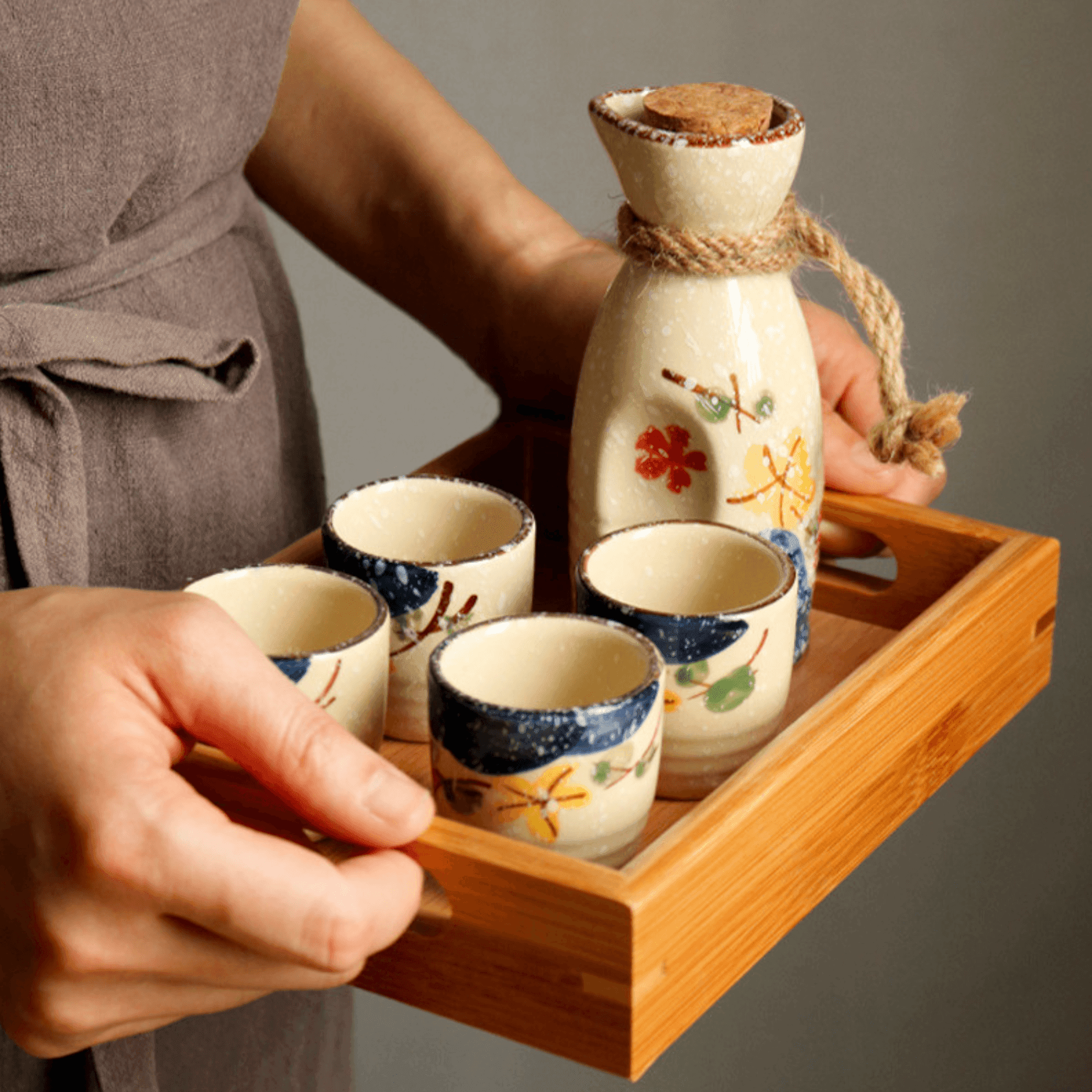
Tasting sake—this highly revered Japanese rice wine—is a multi-sensory experience. While traditional ceramic sake flasks (tokkuri) and cups (ochoko) hold deep cultural significance, the modern sake world has also enthusiastically embraced glassware. The right sake cup is more than just a vessel; it's like a finely crafted instrument that fully unlocks sake's delicate aromas, complex flavors, and subtle textures. Choosing the appropriate sake cup is a testament to the skillful integration of material science, oenology, and artistic design, and reflects the astonishing diversity of sake—from crisp and fruity ginjo to rich and robust kimoto.
The Philosophy Behind the Form: Why Glass?
Before delving into the types of sake glasses, we must first understand "why" specific glasses are used. Sake has volatile and often delicate aromatic characteristics, more similar to white wine or spirits than robust red wine. Its flavors are diverse, ranging from melon and apple to mushrooms and soy sauce. Glass, as an inert and non-porous material, does not emit any odors itself, allowing the pure aroma of sake to be fully appreciated. Furthermore, the transparency of glass provides visual enjoyment, allowing the drinker to appreciate the clarity, viscosity, and sometimes the subtle effervescence of the sake. The shape of the glass directly influences two key sensory experiences:
-
Aroma Concentration: The rim's width and the bowl's shape guide volatile aromatic compounds to the nose. A narrower opening concentrates delicate ginjo aromas, while a wider one allows broader aromatic profiles to express themselves.
-
Liquid Flow and Aeration: The lip thickness and curve dictate how the sake flows onto the palate—whether it lands precisely on the tip of the tongue (for sweetness) or spreads broadly (for umami and acidity). Some shapes encourage slight aeration, softening alcohol and opening up flavors.
With this philosophy in mind, let's explore the primary categories of sake glassware.

1. The Guinomi and Ochoko: Tradition in Glass
The incorporation of traditional elements into glassware is exemplified by the improvements made to the guinomi (a sturdy, cylindrical sake cup) and the smaller ochoko sake cup. These glass sake cups retain the familiar comfortable grip while adding a new translucent quality. They are versatile, suitable for everyday drinking, warm sake (atsukan), and full-bodied, flavorful sakes like junmai. Their straight sides and wide opening provide a rich and direct drinking experience, allowing one to focus on the flavor and texture of the sake rather than being overwhelmed by its aroma. The thick-bottomed glass guinomi cup feels substantial in the hand, perfect for sipping slowly and appreciating the rich layers and full-bodied taste that emerge as the sake gradually warms.

2. The Wine Glass Revolution: Maximizing Aroma
The adoption of wine glasses, particularly white wine or universal/bordeaux stems, marked a pivotal shift in premium sake appreciation. Pioneered by sommeliers and brewers wanting to showcase the labor-intensive ginjo and daiginjo styles, these glasses are engineered for aromatic revelation.
-
The Standard White Wine Glass: Its tulip shape—a rounded bowl tapering to a slightly narrower rim—is ideal for most premium sakes. The bowl provides ample surface area for aromas to evaporate, while the rim funnels them directly to the nose. This allows the delicate notes of pear, lychee, cucumber, and white flowers, created by the ginjo yeast at low temperatures, to be fully appreciated. The stem keeps hand heat from warming the chilled sake.
-
The Universal/Bordeaux Glass: Some experts prefer using taller glasses with wider rims to taste certain full-bodied junmai sake or aged sake (koshu). The larger space allows the complex oxidative aromas (such as honey, nuts, and dried fruits) to fully develop and present themselves in distinct layers.
The use of these glasses elevated sake to the level of analytical tasting, similar to fine wine, and is now standard in tasting rooms and high-end restaurants worldwide.
3. Specialized Sake Glasses: The kiki Series and Beyond
Japan's innovation led to glasses specifically designed for sake, not merely adapted from wine. The most famous is the "kiki" series of personalized tasting glasses, popularized by breweries and sommeliers. These are often small, stemmed glasses with unique inward-curving lips, designed to deliver the sake to a specific part of the tongue to highlight particular taste attributes (sweetness, acidity, bitterness, umami). While used more for comparative tasting, their principle influences commercial designs.
More common now are dedicated sake tasting glasses that blend wine glass science with Japanese aesthetics. Key brands include:
-
Riedel's "O" Sake Glass: Stemless and contemporary, its unique egg-shaped design with a pinched rim is intended to concentrate aromas beautifully while being durable and modern.
-
ISO Standard Tasting Glass: Used in professional competitions, this simple, stemmed glass with a tapered bowl is a neutral benchmark, allowing judges to assess sake without influence from the glass's shape.
-
The Hirekazu Glass: This elegant design features an extremely thin rim, almost knife-like, which allows the sake to flow onto the palate in a seamless, clean sheet. This minimizes tactile interference, letting the texture and flavor of the sake itself be the sole focus.
4. The Masu: A Ceremonial Wooden Box, Reimagined
Traditionally, a masu is a square wooden box made of cypress wood, used for measuring rice and historically also for drinking sake during ceremonies or festivals. In modern drinking customs, a glass is placed inside the masu, and sake is poured into the glass until it overflows into the wooden box. The drinker first sips the sake from the glass, appreciating its pure aroma, and then lifts the glass to drink the overflowing portion, which has subtly absorbed the fragrance of the cypress wood. This method of drinking combines the purity of the glass with the traditional aroma of the wooden box, creating a layered experience that connects the drinker to history and nature.
5. The Importance of Rim and Material Quality
Beyond shape, the quality of the glass itself is paramount.
-
The Rim: A thin, polished, and smooth rim is a hallmark of fine sake glassware. A thick or rough rim disrupts the liquid's flow, creating a distracting tactile sensation before the sake even touches the palate. The perfect rim disappears, offering a clean, uninterrupted transition from vessel to mouth.
-
Material: High-end wine glasses are typically made from lead-free crystal. Crystal can be made thinner than ordinary glass while still maintaining its strength. Furthermore, compared to the smooth surface of standard glass, the slight roughness of the crystal surface is said to create more nucleation points, thus helping to release aromas. The clarity and brilliance of crystal also enhance the visual appeal of the wine glass.
Matching Glass to Sake Style: A Practical Guide
-
Ginjo / Daiginjo (fruity, floral, delicate): A standard white wine glass or a dedicated tulip-shaped sake glass. The goal is maximum aroma concentration. Serve chilled.
-
Junmai (full-bodied, acidic, umami-rich): A slightly wider white wine glass, a universal glass, or a sturdy guinomi. Allows broader aromas and flavors to expand. Can be served chilled, room temperature, or warm, depending on the subtype.
-
Kimoto / Yamahai (gamey, funky, rich): A guinomi, a small wine glass, or a rocks glass. The more open shape can handle the bold, often volatile aromas. These styles benefit from a bit of air and are often enjoyed at a wider range of temperatures.
-
Warm Sake (Atsukan): A thick-walled guinomi or a small ceramic cup. The thickness retains heat. Aromatic subtlety is less critical here; the focus is on the soothing warmth and rounded flavors.
-
Aged Sake (Koshu): A sherry copita or a small brandy snifter. These glasses are designed to concentrate and manage the powerful, oxidative, and often nutty aromas of aged beverages.
Conclusion: The Glass as a Bridge
Sake drinking vessels are far more than just tools for drinking; they are bridges connecting tradition and modernity, science and art, the brewer's craftsmanship and the drinker's experience. From simple, sturdy glass cups holding rich, full-bodied junmai sake, warming the hands, to delicate crystal tulip-shaped glasses releasing the fragrance of daiginjo, each vessel creates a unique experience. It makes sake appreciation more accessible, allowing both beginners and connoisseurs to experience this ancient yet ever-evolving beverage more deeply. Ultimately, the "best" sake cup is the one that allows you to most enjoy the sake, enhancing your personal moments of discovery and enjoyment. The journey of appreciating sake is, in a way, also a journey of exploring the vessels that hold it – each shape offering a new perspective on this timeless liquid art.


%20and%20c...)
Dejar un comentario
Este sitio está protegido por hCaptcha y se aplican la Política de privacidad de hCaptcha y los Términos del servicio.