
Which is better for tea, porcelain or ceramic?
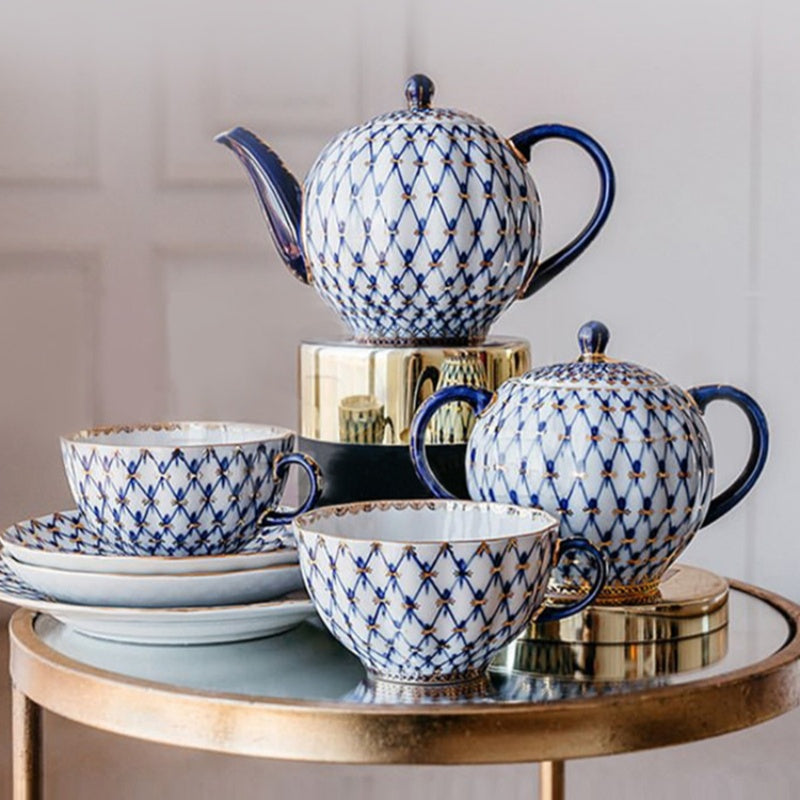
For tea enthusiasts, tea ware is far more than a mere vessel for holding tea. The material of the cup or teapot plays an active role in the tasting experience; it not only influences the temperature and clarity of the liquor but can even shape the subtle nuances of the tea's flavor profile. Ultimately, the choice between porcelain and the broader category of earthenware—encompassing both stoneware and traditional earthenware—depends on the style of experience the drinker seeks.Each has its distinct virtues, but for the refined appreciation of delicate teas, hard-paste porcelain—exemplified by masterpieces like the Lomonosov Cobalt Blue Handcrafted Porcelain Tea Set—stands in a class of its own.

Understanding the Materials: The Technical Distinction
To determine which material is "better," one must first understand their definitions. In everyday language, "ceramic" is a broad term encompassing all items fired from clay, including earthenware (pottery), stoneware, and porcelain. Porcelain is a highly refined type of ceramic made from a special white clay known as "kaolin" and fired at extremely high temperatures (ranging from 1260°C to 1400°C). This high-temperature firing causes the body of the ware to vitrify, fusing into a material that is hard, non-porous, and often translucent. When tapped, high-quality porcelain produces a clear, resonant sound—a hallmark of its high density and superior quality.
"Ceramic" teaware, in contrast, typically refers to stoneware or pottery, which are fired at lower temperatures. This results in a denser but still somewhat porous surface. These materials generally have thicker walls, which allows them to retain heat for longer periods . While this can be advantageous for certain robust teas, it is a fundamentally different approach to material design compared to the light, thin-walled nature of fine porcelain.
The Case for Porcelain: Clarity and Purity
Porcelain is often considered the ideal material for savoring delicate, high-quality teas. Its strength lies in its neutrality and purity, qualities that are beautifully embodied by the Lomonosov Cobalt Blue Handcrafted Porcelain Tea Set.
First, the non-porous surface of porcelain is crucial. The vitrified, glass-like finish means it will not absorb any flavors, oils, or aromas from previous brews . This makes it exceptionally versatile; one can brew a delicate green tea and then a floral oolong in the same porcelain pot without any cross-contamination of taste. This neutral quality is ideal for teas where the goal is to taste the tea itself, not the history of the vessel.
Second, the impact on flavor is a key advantage. A tasting experiment comparing porcelain, bone china, and glass found that porcelain notably enhanced the aftertaste of tea, while materials like bone china were found to increase the body . For connoisseurs, this clarity and emphasis on the finish is highly desirable. The translucent white surface of fine porcelain also provides the perfect canvas to appreciate the color of the liquor—the pale gold of a sencha, the amber of a fine oolong .
Third, the Lomonosov Tea Set is a testament to the artistry possible with porcelain. The Lomonosov factory, founded in St. Petersburg in 1744, has a long and storied history of producing exceptional porcelain, initially for the Russian Imperial court and later as a renowned manufacturer of hand-painted wares . The tea set's iconic Cobalt Net pattern, first introduced in 1949, is a masterwork of hand-painted design, featuring intricate blue intersecting lines and accents of 22-karat gold . This is not just functional teaware; it is a piece of history that elevates the tea-drinking ritual to an art form. The fact that hand washing is recommended for such sets underscores their value as crafted objects rather than mass-produced commodities .
The Case for "Ceramic": Heat and Tradition
The broader category of ceramic teaware—including stoneware and pottery—offers a different set of advantages, particularly for teas that benefit from higher brewing temperatures and longer steeping times.
Heat retention is the primary strength. The thicker walls of a stoneware or pottery teapot hold heat for a longer period than thin porcelain . This makes them a practical choice for robust black teas, roasted teas like Hojicha, and aged teas like Pu-erh, which require sustained high temperatures for proper extraction . In colder climates, a ceramic pot will keep a brew hot for longer during a leisurely session.
Furthermore, the tradition of unglazed ceramics in tea culture presents a completely different philosophy. Porous clay teapots, such as those made in Yixing or Tokoname, are known to absorb the flavors and oils from the tea brewed in them over time. This "seasoning" process, often referred to as najimu, allows the pot to develop a character of its own, theoretically adding a richer, more complex flavor to the brew . These pots are typically dedicated to a single type of tea to prevent flavor mixing .
However, this heat-retaining capability and porous nature come with certain drawbacks. The porous surface that traps heat also absorbs the tea's aroma—a distinct disadvantage for those seeking to savor the pure, nuanced flavors of a delicate brew. When steeping Gyokuro or high-quality green tea, the heat retained by thick-walled earthenware pots can easily scald the leaves, while the material's porosity may mask the unique aromas and flavors the drinker seeks to experience.
Conclusion: Which is Better?
The answer depends entirely on the tea one is brewing and the experience one desires. For those who brew robust, deeply roasted teas and value a vessel that holds its heat through a long session, a high-quality ceramic stoneware pot is a practical and traditional choice. For those who value the aesthetics of their teaware and appreciate a tangible connection to centuries of porcelain-making tradition, a set like the Lomonosov Cobalt Blue is unmatched.
However, for the connoisseur seeking the purest expression of a fine, delicate tea—one where clarity of flavor, the vibrancy of the liquor's color, and a sublime, lingering aftertaste are paramount—porcelain is superior. It acts as a neutral, refined stage that allows the tea to perform without interference. The Lomonosov Cobalt Blue Handcrafted Porcelain Tea Set is more than just a beautiful example of this; it is a functional masterpiece that perfectly demonstrates why porcelain has been cherished for centuries as the ultimate material for the tea ceremony.

Laisser un commentaire
Ce site est protégé par hCaptcha, et la Politique de confidentialité et les Conditions de service de hCaptcha s’appliquent.