
Artikel: What Does It Mean to Decant Something?
What Does It Mean to Decant Something?
The word "decant" originates from the Latin *decanthare*, meaning "to pour off." At its most basic level, the act involves gently transferring a liquid—typically wine or spirits—from one vessel, such as a bottle, into another, known as a decanter. However, the process encompasses far more than a simple pour; decanting is simultaneously a ritual, a science, and an aesthetically pleasing gesture that transforms the wine's flavor, aroma, and the overall sensory experience of drinking it. To truly appreciate the purpose of decanting, one must consider both the practical reasons behind it and the sensory changes it produces.

The Basic Definition
"Decanting" refers to the process of pouring liquid from its original container into another, typically with the aim of leaving behind any sediment that may have accumulated at the bottom. The vessel used—known as a "decanter"—is usually made of glass or crystal and often features a wide base and a narrow neck, though shapes vary widely depending on the liquid and the intended use. While decanting is most commonly associated with wine (especially red wine), the technique is equally applicable to aged Port, certain whiskies, and even some beers and ciders.
In practical terms, the process is straightforward: holding the bottle steadily, one pours the liquid slowly and continuously into the other vessel while keeping any sediment inside the original bottle. However, it is the changes that occur after pouring that make the decanting process truly fascinating.
Decanting for Sediment
The oldest and most practical reason for decanting is to separate the wine from its sediment. Aged red wines—particularly those made from varieties such as Cabernet Sauvignon, Syrah, and Pinot Noir—gradually form solid particles during the aging process. While these particles are harmless—being merely natural by-products of tannins and pigments breaking down over time—they can detract from the drinking experience; they not only impart a rough, bitter texture but also make the wine appear cloudy.
Vintage Port is perhaps the quintessential example. A bottle of Port aged for twenty or thirty years often contains a significant amount of sediment. Careful decanting—ideally performed with a light source positioned behind the bottle's neck to monitor the movement of the sediment—allows the clear wine to be separated from the thick, dark deposit at the bottom, resulting in a wine that is visually brilliant and pure on the palate, free from cloudiness.
Decanting for Aeration
The second major reason to decant is aeration. When wine is poured from a bottle into a decanter, it comes into contact with oxygen. This contact triggers a series of chemical reactions that can dramatically change the wine's aroma and flavor.
Young, tannic red wines—those that feel tight, harsh, or closed off when first opened—often benefit from this exposure. The oxygen softens the tannins, mellows the acidity, and allows the fruit character to emerge. decanter accelerates the process by increasing the surface area of the exposed liquid to air.
The science behind this is well understood. Oxygen reacts with the phenolic compounds in wine—tannins, anthocyanins, and other molecules—causing them to polymerize and soften. Volatile compounds that were previously bound up in the liquid are released into the air, carrying aromas of fruit, flowers, and earth. Sulfites, which can produce a sharp, prickly sensation, dissipate. The wine becomes more integrated, more harmonious.
Decanting for Spirit
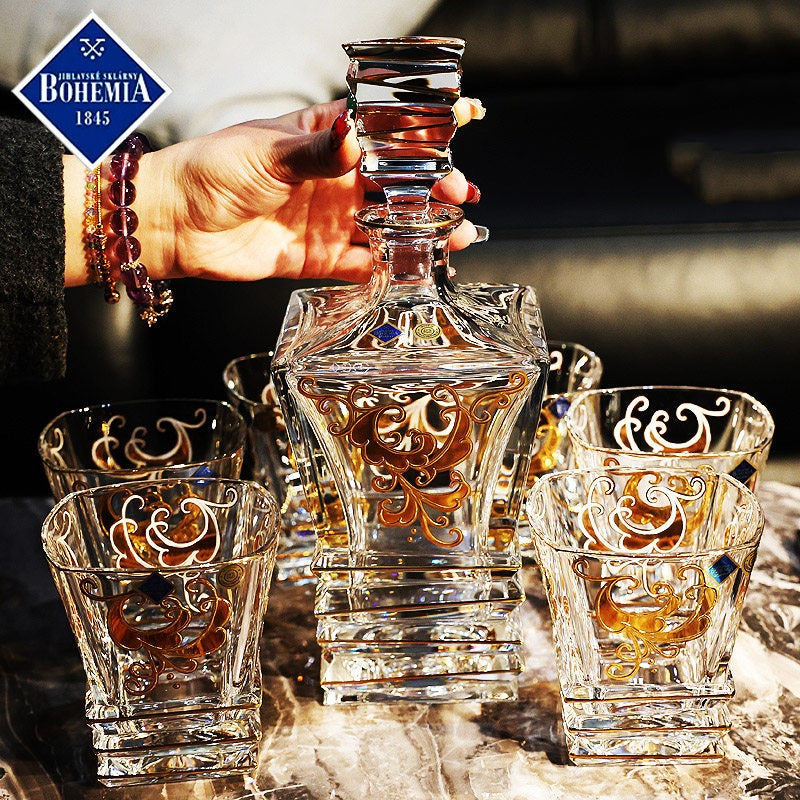
While the term "decanting" is most often associated with wine, the practice applies equally to spirits. Whiskies, cognacs, and other aged spirits can also be decanted, though the reasons for doing so differ. Unlike wine, spirits do not contain sediment; furthermore, their high alcohol content acts as a natural preservative. Nevertheless, pouring spirits into an exquisite crystal vessel can still elevate the drinking experience.
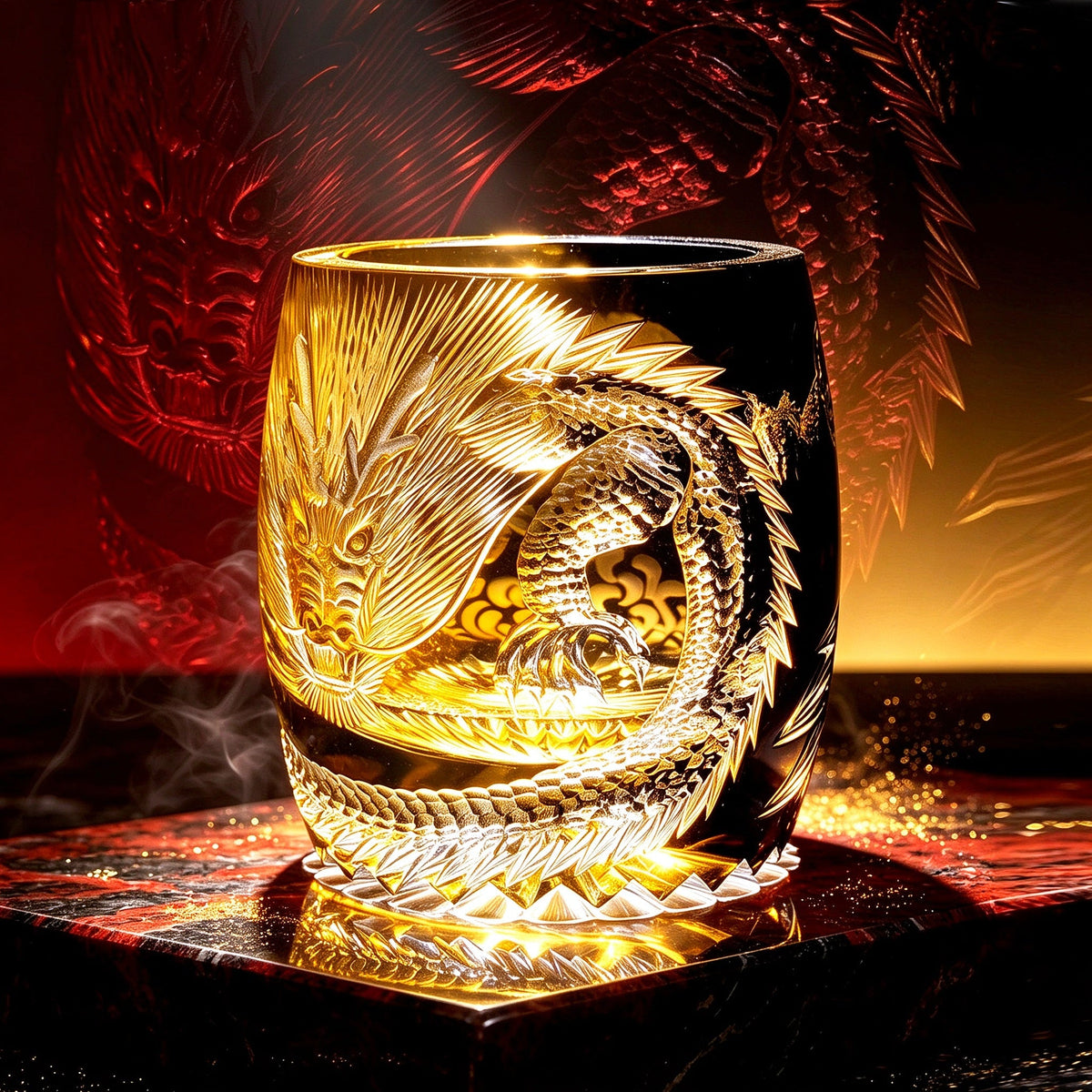
The primary appeal lies in aesthetics and ritual. Transferring whisky from its original bottle into a hand-cut crystal decanter—such as an "Edo Kiriko" dragon-patterned whisky decanter—transforms the simple act of pouring into a ceremonial experience. The decanter becomes an integral part of the ritual, contributing to the overall presentation. Additionally, some enthusiasts believe that brief exposure to air can soften the harshness of the alcohol and release the spirit's aromas, although these changes are far more subtle than those observed in wine.
Decanting for Presentation
Beyond sediment and aeration, there is a third reason to decant: beauty. A decanter on a table is a statement. It catches the light, refracts it through its crystal walls, and announces that what is being served has been given thought and care. This is not a trivial consideration. The vessel shapes the experience of the liquid. A wine poured from a beautiful decanter tastes different from the same wine poured from the bottle—not because the liquid has changed, but because the drinker's attention has changed. The ritual of pouring, the weight of the glass, the play of light through the curves—these details matter.
What Decanting Does Not Do
It is worth clarifying what decanting cannot do. It cannot rescue a flawed wine. If a wine is corked—contaminated with TCA, a compound that gives it a musty, wet-cardboard smell—decanting will not remove the fault. It cannot make a thin, insipid wine taste rich and complex. And it cannot substitute for proper storage. A wine that has been cooked or oxidized in the bottle will not be repaired by a decanter. Decanting is a technique for enhancing what is already there, not for creating something from nothing.
How to Decant
While the process itself is straightforward, careful execution yields superior results. Before decanting, let the bottle stand upright for a day or longer to allow any sediment to settle at the bottom. When ready, carefully remove the cork and wipe the bottle neck. Position a light source—such as a candle, flashlight, or desk lamp—behind the bottle neck while pouring. Pour the wine slowly and steadily into the decanter, keeping a close watch on the neck for any approaching sediment; stop pouring the moment the sediment nears the opening. The wine in the decanter is now ready to "breathe" (interact with the air), while the sediment remains in the original bottle.
For young wines that need to "wake up" through aeration, you can pour more vigorously—letting the wine splash against the sides of the decanter to maximize air contact. Conversely, aged wines require a gentler pouring technique, as excessive oxygen exposure could cause their delicate, matured flavors to dissipate.
Conclusion
To decant something is to give it time and space. It is to separate what is clear from what is cloudy, to let what is tight relax, to present what is precious in a vessel worthy of it. Whether the liquid is an aged Bordeaux, a vintage port, or a fine whiskey, decanting honors the drink by treating it as something that deserves attention. The word may mean "to pour off," but the practice means so much more.

Hinterlasse einen Kommentar
Diese Website ist durch hCaptcha geschützt und es gelten die allgemeinen Geschäftsbedingungen und Datenschutzbestimmungen von hCaptcha.