
What Is Japanese Mino Ware?
"Mino-yaki" is a collective term for pottery and porcelain produced in the Mino region of Gifu Prefecture in central Japan—specifically encompassing the cities of Tajimi, Toki, Mizunami, and Kani. Rather than representing a single style, it is a ceramic tradition spanning over 1,300 years that encompasses a wide range of works, from simple everyday tableware to renowned tea ceremony vessels highly prized in the history of Japanese art. Today, Mino-yaki accounts for approximately half of Japan's total production of ceramic tableware.

Geography and Natural Advantages
Three major environmental factors have made the Mino region a center of ceramic production for over a thousand years. First, ancient lakes left behind deposits of fine alluvial clay, an ideal raw material for high-quality pottery. Second, the region's rolling low hills provided natural slopes perfectly suited for kiln construction. Third, the area's dense forests of Japanese red pine supplied excellent fuel; rich in natural oils, this wood burns with greater intensity and longer flames—qualities essential for achieving the high temperatures required to fire durable ceramics.
Early History: From Sue Ware to Everyday Pottery
The history of Mino ceramics dates back to the 5th century, when the *anagama* (tunnel kiln) was introduced to Japan from China via the Korean Peninsula. By the 7th century, this kiln technology had reached the Mino region, leading to the production of *Sue* ware—an unglazed, matte-gray stoneware fired at temperatures higher than those achievable in earlier pit kilns. By the 10th century, Mino had surpassed the neighboring Sanage region to become Japan's largest production center for *Sue* ware; this shift was driven largely by market demand for "ash-glazed" ceramics—a technique originally pioneered by potters in the Sanage area.
In the late 11th century, Mino potters shifted to the mass production of simple, unglazed bowls and dishes known as *yama-jawan* ("mountain bowls"); these vessels were designed to be stacked, allowing for large-scale firing. The production of this functional ware continued for approximately four hundred years.
The Momoyama Golden Age: Shino, Oribe, and the Tea Ceremony
Mino ware's most transformative period came during the Momoyama era (1573–1615), when the popularity of the tea ceremony under masters like Sen no Rikyu and Furuta Oribe created demand for innovative ceramic vessels. Four foundational styles emerged, all closely tied to tea culture.
Shino ware appeared in the late sixteenth century and represented a revolutionary departure. Prior to the emergence of Shino ware, glazes in the Mino region were primarily opaque wood-ash glazes. Shino potters shifted to using a feldspar glaze that fired to a translucent white, resulting in Japan's first domestically produced white-glazed ceramics. This translucency allowed potters to paint designs directly onto the clay body using iron-oxide pigments before glazing; after firing, the designs remained faintly visible through the glaze layer—marking the earliest instance of underglaze painting in the history of Japanese ceramics. Variants of Shino ware include "Nezumi-Shino" (or "Mouse Shino," featuring a color-reversed effect with white patterns against a gray background) and "Beni-Shino" (or "Red Shino," characterized by rust-red hues).
Oribe ware, named after the tea master Furuta Oribe, followed in the early seventeenth century and is regarded as the ultimate expression of Momoyama ceramic creativity. It is known for bold asymmetrical forms, deliberately warped shapes, and vibrant copper-green glazes contrasted with iron-brown painted designs. Oribe's playful departure from the symmetry and restraint that had characterized earlier Japanese ceramics made it a radical aesthetic statement.
Ki-Seto (Yellow Seto) features a pale yellow-green ash glaze, often with subtle stamped or incised plant motifs and small copper-green accents. Seto-Guro (Black Seto) is distinguished by a jet-black iron glaze achieved through rapid cooling of the kiln—a technique called "hiki-dashi-guro" (pull-out black) because the red-hot vessel is removed from the kiln and quenched. The resulting deep, glossy black contrasted dramatically with the green of matcha tea, making these bowls highly prized by tea practitioners.
Technological Innovation: The Climbing Kiln
A pivotal development in the history of Mino ceramics was the introduction of the multi-chambered *renbōshiki noborigama* (climbing kiln) from Karatsu in Kyushu; this introduction is said to have been facilitated by Katō Kagenobu during the Keichō era (1596–1615). Unlike earlier single-chamber kilns—which required days of cooling before the next batch could be fired—climbing kilns utilized residual heat from lower chambers to preheat upper ones, thereby significantly improving fuel efficiency and enabling the simultaneous firing of various types of ceramics in different chambers. This technological innovation allowed Mino potters to produce Oribe ware in quantities sufficient to meet a surge in market demand.
From Momoyama to Modernity
Although the production of classic "Momoyama-style" pottery declined after the early 17th century, the ceramics industry in Mino endured by continuously adapting to change. The Edo period saw the mass production of everyday tableware, and by the late 19th century, porcelain production emerged, adding a new material to the region's ceramic repertoire. Today, Mino-yaki products are incredibly diverse, ranging from traditional tea bowls and tea sets to everyday rice bowls, plates, and porcelain tableware, and even extending to tiles and sanitary ware.
The Mino region remains Japan's largest ceramics-producing area, home to hundreds of kilns, clay suppliers, and related businesses. The Motoyashiki kiln site—where numerous masterpieces of the Momoyama period were fired—is now designated as a National Historic Site, and the ceramics excavated there were named "Important Cultural Properties" in 2013.
Mino Ware in Contemporary Life
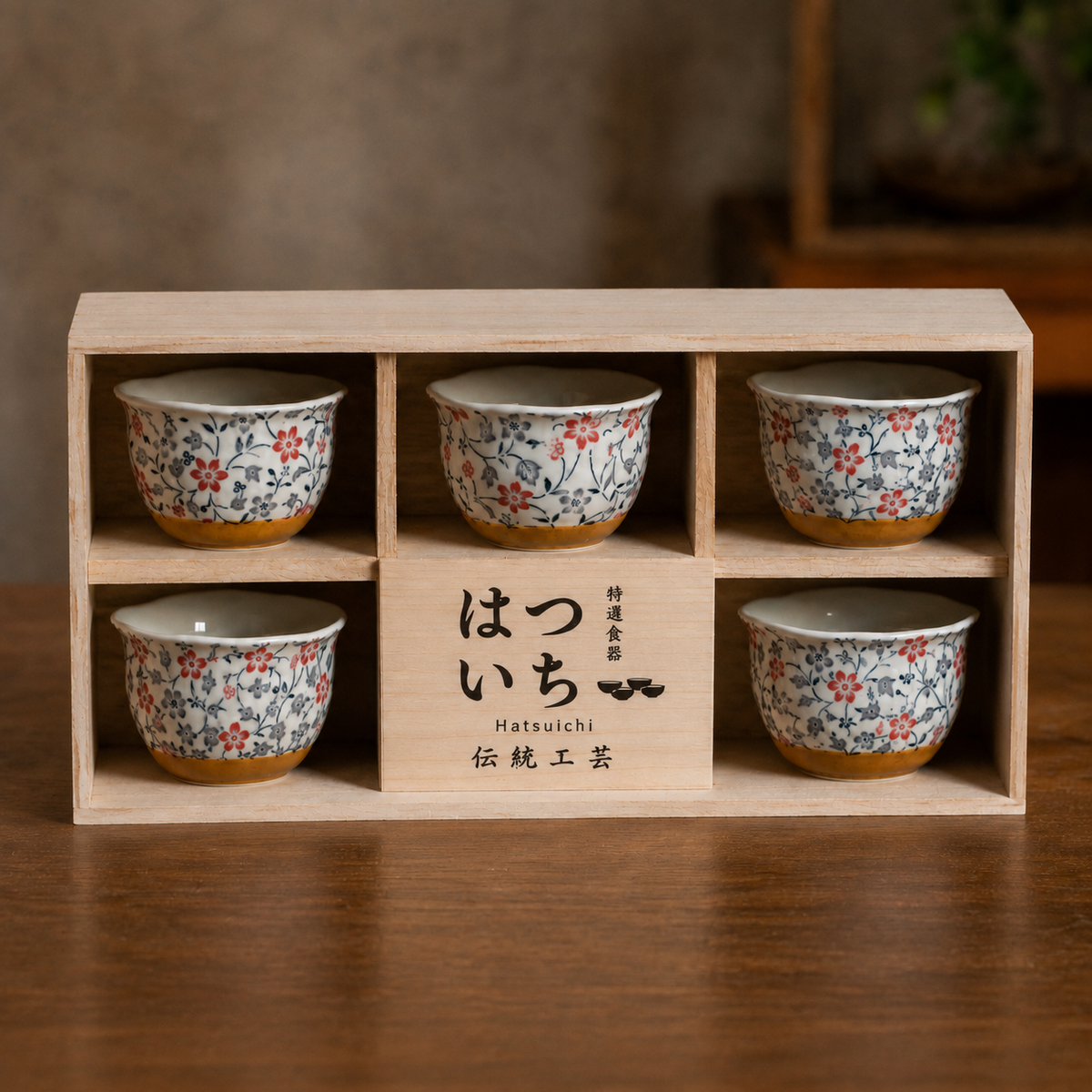
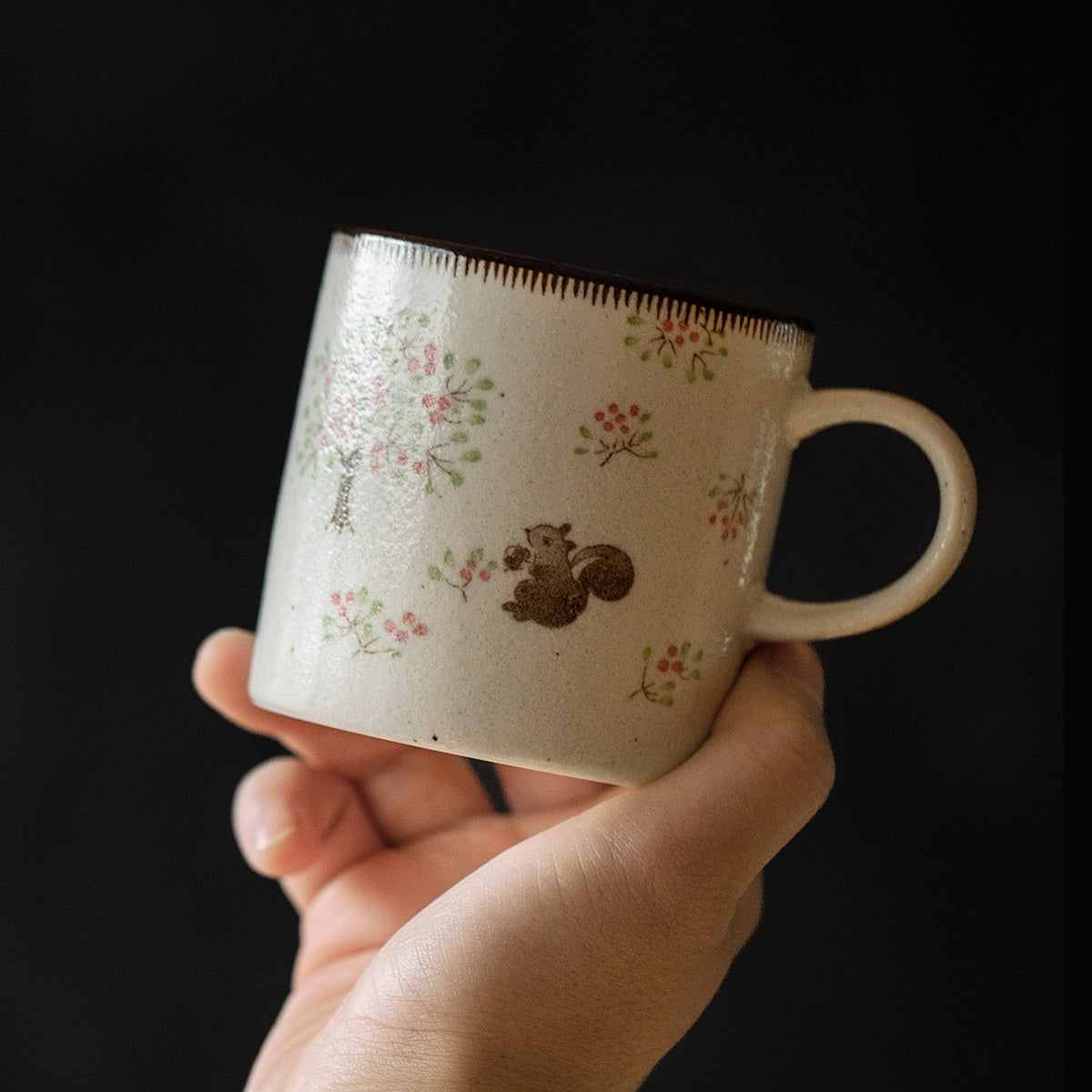
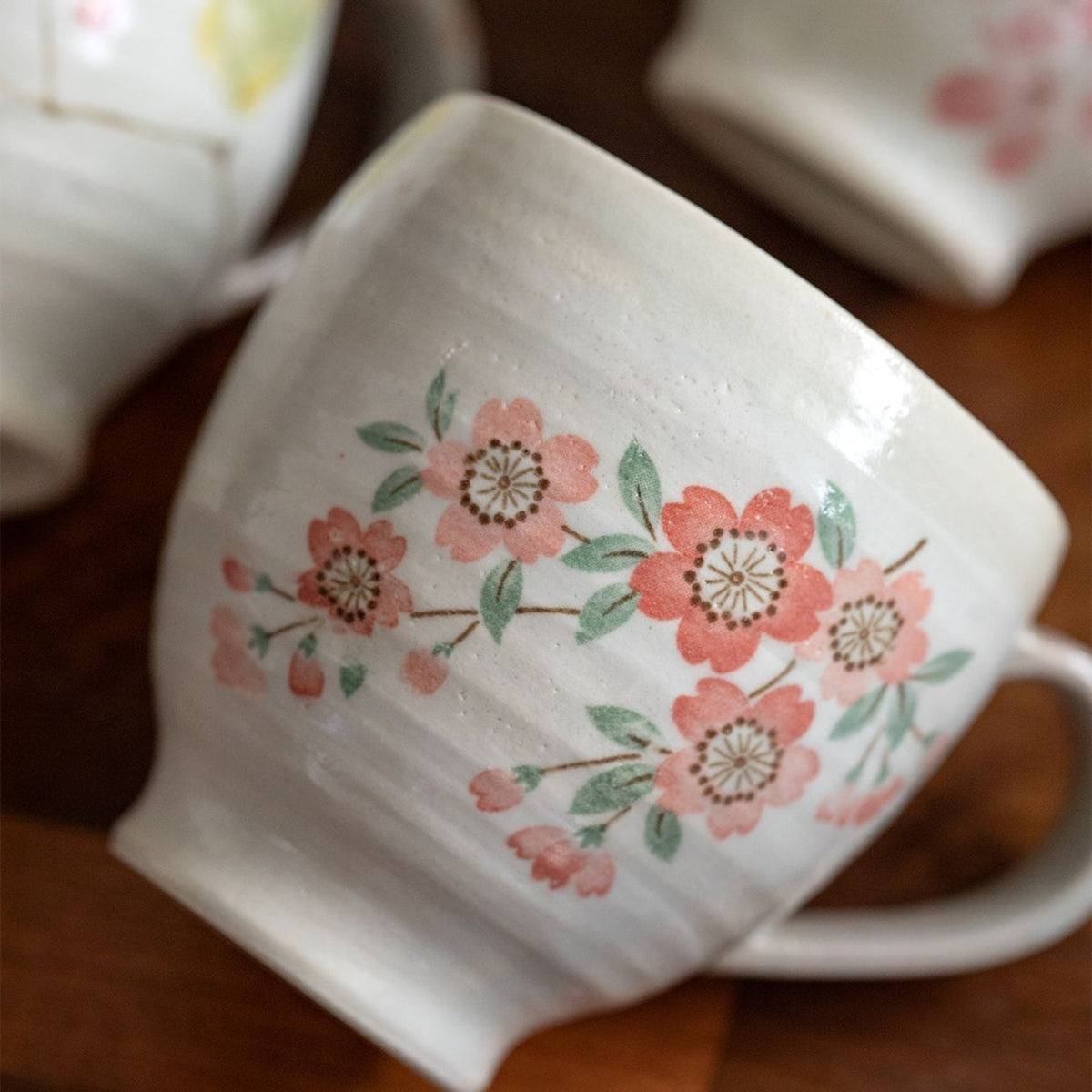
For the modern user, Mino ware offers a perfect blend of rich tradition and exceptional practicality. A Mino ware mug or tea bowl embodies the weight of a thousand-year ceramic heritage while seamlessly meeting the demands of daily life—offering a comfortable feel, remarkable durability (withstanding frequent washing), and a diverse range of styles that span from the rustic and rugged to the refined and delicate. The Hatsuichi "Hana no Ma" (Room of Flowers) series stands as a prime example of this living tradition: it employs time-honored techniques and materials yet integrates effortlessly into modern coffee and tea culture. Whether featuring the minimalist "yama-jawan" (mountain bowl) style or the green-glazed aesthetic inspired by Oribe ware, each piece of Mino ware connects the user to a lineage of craftsmanship that dates back to the 13th century—a tradition that has profoundly shaped Japanese daily life and aesthetics.

Hinterlasse einen Kommentar
Diese Website ist durch hCaptcha geschützt und es gelten die allgemeinen Geschäftsbedingungen und Datenschutzbestimmungen von hCaptcha.