
How to Drink Red Wine Correctly?

Red wine is one of civilization’s oldest and most revered beverages. From the sun-drenched vineyards of Bordeaux to the rolling hills of Tuscany, it has been a companion to philosophers, kings, artists, and lovers for millennia. Yet, for many, the prospect of "drinking wine correctly" can feel intimidating. Is there truly a right way and a wrong way? The short answer is yes—but the rules are not about snobbery. They are about extraction. Drinking red wine correctly means respecting the labor of the winemaker and unlocking the full spectrum of flavors, aromas, and textures that the grape has to offer.
To drink red wine correctly is to engage all five senses. It is a ritual that begins long before the liquid touches your lips. Below is a comprehensive guide to mastering that ritual, from selecting the right glass to understanding the silent language of the bottle.
1. The Right Glassware: Building a Cathedral for Wine
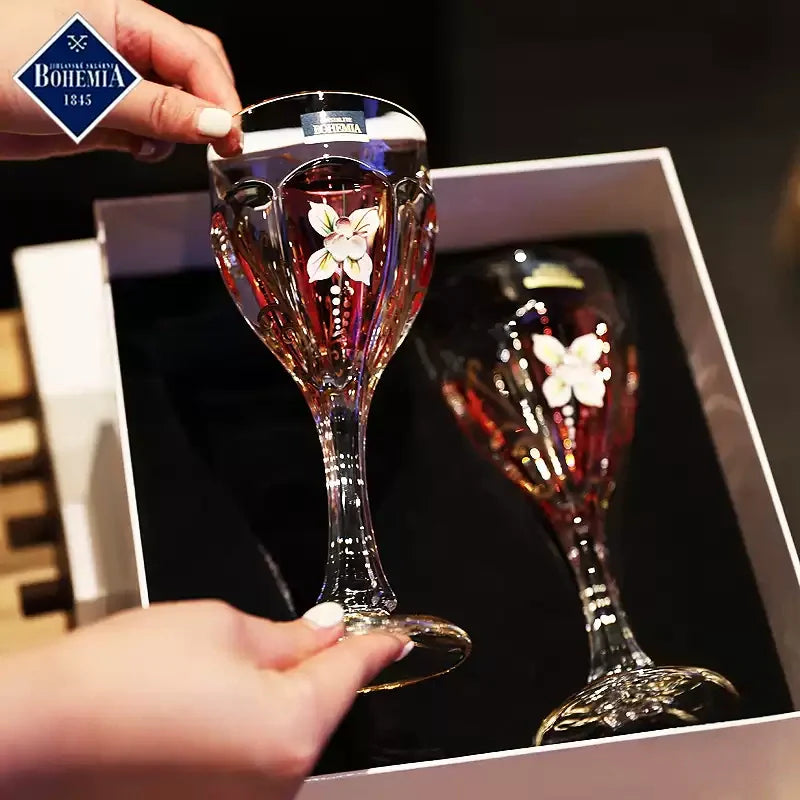
Many people, when drinking red wine, simply grab whatever glass or tumbler happens to be within reach. This is the most common—and indeed, the primary—misconception regarding wine consumption. Selecting the correct wine glass is not merely a matter of ostentatious luxury; rather, the glass serves as a practical tool. Red wine requires contact with oxygen to "awaken," thereby releasing its rich, layered flavors—including fruit notes, spices, and earthy nuances.
For most full-bodied red wines (such as Cabernet Sauvignon, Bordeaux, or Barolo), you should select a glass featuring a large, bowl-shaped body with a wide rim. This design serves two crucial functions: First, the expansive surface area allows the wine to "breathe" fully, facilitating the oxidation of tannins and thereby softening their astringency; second, the generous bowl size ensures that the wine does not easily spill over when you swirl the glass—a technique we will explore further shortly. The stem of the wine glass is equally critical. When drinking, it is imperative to hold the glass by its stem, rather than by the bowl. Holding the bowl allows the heat from your palm to warm the wine, potentially raising its temperature above the ideal range. Furthermore, fingerprints left by your fingers will smudge the bowl, thereby hindering your ability to visually appreciate the wine's color and clarity.
If you are on a limited budget and can only purchase a single type of glassware, opt for a "universal" wine glass—one featuring a medium-sized bowl with a rim that tapers slightly inward; this design helps to capture and concentrate the wine's aromas. Please avoid using heavy, etched whiskey tumblers; these glasses are designed specifically for whiskey and are ill-suited for drinking wine.

2. Temperature: The Forgotten Ingredient
When it comes to drinking red wine, perhaps the most common misconception is to serve it at "room temperature." This recommendation dates back to medieval Europe, when "room temperature" referred to the cool, damp air found within stone castles (approximately 55–60°F, or 13–15°C). In modern homes equipped with central heating, however, room temperature typically hovers around 70–72°F (21–22°C)—a temperature that is clearly far too high for red wine. In such warm conditions, the alcohol becomes highly volatile; the wine tastes flat, flabby, and lifeless, with the alcohol notes becoming jarringly prominent—much like a dose of cough syrup.
The correct serving temperature for red wine varies by body type:
-
Light-bodied reds (Beaujolais, Pinot Noir): 55°F (13°C) – slightly chilled.
-
Medium-bodied reds (Merlot, Chianti, Sangiovese): 60-65°F (15-18°C).
-
Full-bodied reds (Cabernet Sauvignon, Malbec, Shiraz): 65°F (18°C).
If your bottle is too warm, place it in the refrigerator for 15 to 20 minutes before serving. Do not fear a slight chill; it suppresses the harshness of alcohol and allows the fruit to sing. Conversely, if the wine is too cold (straight from a cold cellar), it will taste closed and acidic. Simply cup the bowl of the glass in your hands for a minute to gently raise the temperature.
3. Decanting and Breathing: Waking the Sleeping Giant
Red wine is a living thing. When a bottle is sealed for years, the wine develops "reductive" notes—sometimes sulfurous or closed-off aromas. To drink a wine "correctly," you must often wake it up. This is achieved through decanting.
Decanting serves two purposes: separating sediment and oxygenation.
-
Sediment: Older red wines (typically 8+ years) naturally develop solid tannin and pigment deposits. Decanting—slowly pouring the wine into a glass vessel while leaving the last ounce in the bottle—removes these gritty particles.
-
Oxygenation: Young, tannic reds (like a 2020 Bordeaux) are often "tight." Pouring them aggressively into a wide-bottomed decanter exposes the wine to oxygen. This accelerates the aging process by softening tannins and releasing aromas.
How long should you decant? A young, bold Cabernet might need 2 hours. A delicate Pinot Noir only needs 20 minutes. If you do not own a decanter, do not despair. Pouring the wine into a large pitcher and then back into the bottle works just as well. Alternatively, simply opening the bottle an hour before drinking and leaving the cork off is not effective, as the neck of the bottle is too small for sufficient air exchange. You must pour the wine into a glass or decanter.
4. The Visual Examination: Reading the Liquid
Before you smell or sip, you must look. Tilt your glass at a 45-degree angle against a white background (a napkin or white tablecloth works perfectly). Observe three things:
-
Clarity: Is the wine brilliant or cloudy? Modern wines should be clear. Cloudiness usually indicates a flaw (unless it is a natural, unfiltered wine).
-
Color: Age is revealed in color. A young red wine is vibrant purple or ruby red. As it ages, it shifts to brick red, then tawny brown at the rim. A brownish-red wine may be past its prime, or it may be a beautifully mature vintage.
-
Viscosity: When you swirl the glass and let it settle, look at the "legs" or "tears" that run down the side. Thick, slow-moving legs indicate higher alcohol and glycerol content—usually a sign of a full-bodied, ripe wine.
This visual check is not pretentious; it is a diagnostic tool that tells you what to expect before you taste.
5. The Nose: Where 80% of Flavor Lives
Human taste buds can perceive only five basic tastes: sweet, sour, salty, bitter, and umami. Everything else—whether the scent of cherries, leather, tobacco, vanilla, or roses—originates from your nose. Therefore, to taste properly, you must learn to smell correctly.
Do not just stick your nose in the glass and sniff hard. Instead, perform the following steps:
-
Swirl the glass to release volatile compounds.
-
Take one quick, deep sniff to get the primary impression.
-
Take a second, gentle sniff with your mouth slightly open. This allows the aromas to reach your retro-nasal passage.
Try to identify three "layers" of aroma:
-
Primary (Fruit): Is it red fruit (strawberry, cherry) or black fruit (blackberry, plum)?
-
Secondary (Winemaking): Do you smell yeast, butter, or vanilla? (Vanilla usually indicates oak aging).
-
Tertiary (Aging): Do you smell dried fruit, leather, tobacco, or mushroom?
If the wine smells like wet cardboard or vinegar, it is flawed ("corked"). Do not drink it; send it back.
6. The Sip: The "Chew" Method
Finally, you can begin to taste. However, do not swallow the wine immediately. True connoisseurs employ a technique known as "chewing the wine." First, take a small sip—be careful not to let the liquid fill your entire mouth. Next, purse your lips and draw a small amount of air through the wine (much as you would when slurping hot soup). This step allows the wine to fully oxidize within your mouth, thereby coating every corner of your palate.
Roll the wine around your tongue. Notice the structure. Tannins are the drying sensation on your gums and inner cheeks; they feel like a strong black tea. Acidity makes your mouth water and your jaw clench. Alcohol creates a warm sensation in the back of your throat.
Hold the wine in your mouth for 3 to 5 seconds before swallowing. After you swallow, pay attention to the finish. A "short" finish disappears in 5 seconds. A "long" finish lingers for 15, 30, or even 60 seconds. The length of the finish is the single best indicator of quality. A great red wine should leave you wanting another sip before you have even swallowed the first.
7. Food Pairing: The Final Harmony
Drinking red wine correctly does not happen in a vacuum. Wine is food. The classic rule is simple: red wine with red meat. This works because the proteins and fats in steak soften the perception of harsh tannins, while the tannins cleanse the palate of fatty residue.
However, you can break the rules if you understand the weight. A light Pinot Noir pairs beautifully with duck or salmon. A heavy, oaky Chardonnay (white) might overpower a delicate fish. When in doubt, match the weight of the food to the weight of the wine. Light food (salad, chicken) = light red (Beaujolais). Heavy food (beef stew, lamb) = heavy red (Malbec).
8. The Golden Rule: Personal Preference
Having outlined all these technical steps—glass shape, temperature, decanting, swirling, sniffing, and chewing—it is crucial to state the ultimate truth: The "correct" way to drink red wine is the way you enjoy it the most. If you prefer your Cabernet slightly chilled, drink it chilled. If you like to drink it from a coffee mug, drink it from a coffee mug. The rules of wine are merely suggestions to enhance your experience, not commands to enforce compliance.
Wine is a democratic pleasure. The purpose of learning to decant, to smell, and to hold the glass by the stem is not to become a snob. The purpose is to elevate a simple act of drinking into an act of mindfulness. When you drink red wine correctly, you are pausing your busy life to appreciate the sun, the soil, the rain, and the human hands that turned humble grapes into liquid poetry.
So, pour yourself a glass. Hold it to the light. Smell the earth. Swirl the centuries. And then, take a slow, deliberate sip. That is how you drink red wine correctly. Cheers.

Leave a comment
This site is protected by hCaptcha and the hCaptcha Privacy Policy and Terms of Service apply.