
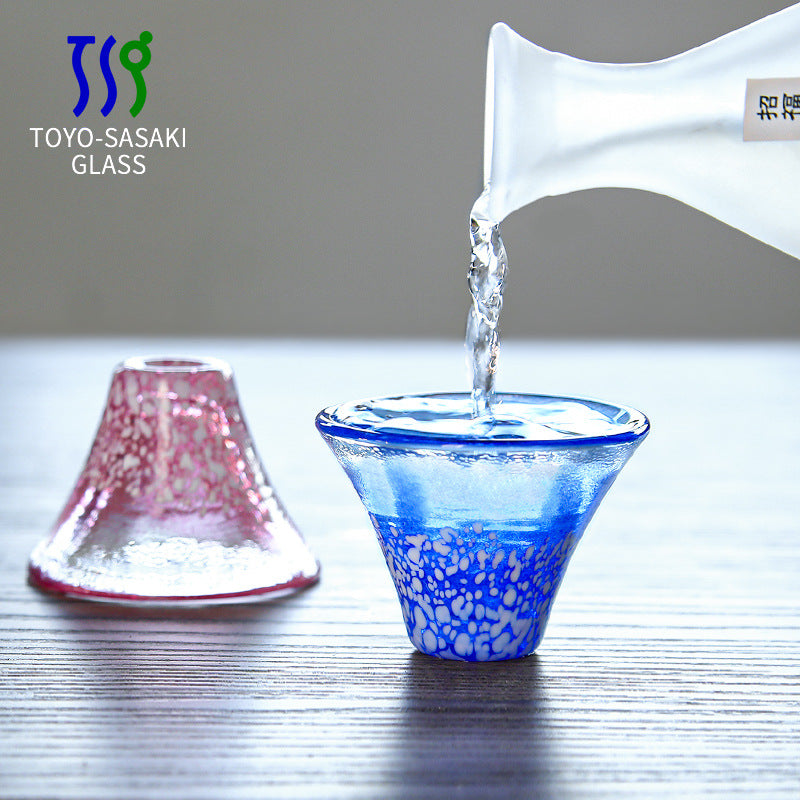
What does a sake taste like?

For those new to sake, a glass of sake is like a beautiful yet perplexing riddle. Clear and elegant, it's typically served in a simple ceramic cup or a delicate glass. The first sip immediately raises the question: What is this? Many people's first reaction is to compare it to a familiar drink. Is it vodka? A type of rice wine? Does it taste like the warm, slightly spicy liquid you get at a sushi restaurant? Or is it something entirely different?
The truth is, sake’s flavor profile is as complex and nuanced as the finest wines or artisanal spirits, defying easy comparison. To ask "What does sake taste like?" is to open a door to a world of diversity, where the answer can range from "crisp green apple" to "creamy mushroom," from "floral perfume" to "aged sherry." Understanding this beloved Japanese beverage requires moving beyond simple definitions and embarking on a journey through its ingredients, its craftsmanship, and its fundamental flavor categories.
The most common misconception is that sake tastes like vodka, as it's often called "rice vodka." This is a fundamental error. Vodka is a distilled spirit with a high alcohol content and a mild flavor. Sake, on the other hand, is brewed and closer to beer. However, simply comparing sake to beer isn't comprehensive. While both are brewed, beer uses malted barley to convert starch into sugar before fermentation. Sake uses rice, but unlike barley, rice doesn't contain the enzymes needed for this conversion. This is precisely the secret of sake brewing.
The key to sake's unique flavor lies in a beneficial fungus called Aspergillus oryzae. In a process called parallel multiple fermentation, steamed rice is sprinkled with Aspergillus oryzae spores. The fungus grows on the rice grains, producing enzymes that break down the rice starch into fermentable sugars. Simultaneously, yeast is added to the mixture, and the yeast immediately begins converting these newly formed sugars into alcohol. This simultaneous decomposition and fermentation process in the same fermentation tank results in sake having an alcohol content (typically 15-17%) higher than most wines or beers, and creating an extremely complex and delicate flavor profile.

So, with this intricate process in mind, what does it actually taste like? Sake’s flavor can be deconstructed into four primary taste characteristics, often placed in opposition to one another: Aromatic vs. Earthy, and Sweet vs. Dry.
The Aromatic and Fruity Realm
For many newcomers, the most surprising sake category is the aromatic, fruity style. These sakes, typically Ginjo or Daiginjo (premium grades where the rice is polished away to at least 40% of its original size), are brewed with special yeast strains and at cold temperatures to promote the development of volatile aromas. They are often served chilled to best appreciate their delicate nature.
Describing the taste of a Ginjo sake, words like apple, pear, melon, and grape come to mind. One might detect the specific, crisp sweetness of a green apple or the lush, tropical note of a banana or pineapple. This fruity aroma doesn't originate from the fruit itself, but rather from a byproduct of yeast fermentation, producing esters similar to those found in fruit. These sakes are elegant, smooth, and refreshing, with a clean and crisp finish. They are ideal aperitifs, enjoyed on their own or paired with light and delicate dishes.

The Earthy and Savory Spectrum
On the opposite end of the spectrum lies the earthy, savory, or "umami" style. These sakes are often the result of using rice with a higher polishing ratio (meaning less of the grain has been polished away), such as Junmai or Honjozo. Here, the flavors of the rice grain itself are allowed to shine through. Umami, often referred to as the fifth taste, is that savory, mouth-filling deliciousness found in foods like mushrooms, soy sauce, and aged cheese.
A sip of a rich Junmai sake might evoke flavors of mushrooms, roasted nuts, rice bran, or fresh grains. The texture can be fuller, creamier, and more rounded. These sakes can be served chilled, at room temperature, or gently warmed. Warming an earthy Junmai can further unlock its savory depth, creating a comforting, almost broth-like quality that pairs exquisitely with grilled meats, tempura, or rich, umami-laden dishes.
Sweetness and Acidity: The Balancing Act
Whether aroma-based or earthy, the interplay of sweetness and acidity shapes the final character of sake. The sweetness in sake isn't cloying, but rather a smooth, rounded flavor derived from rice sugar, often referred to as "sweetness." This sweetness is balanced by a refreshing, sometimes even slightly crisp, acidity. This good acidity gives sake a "refreshing" feel, preventing it from becoming overly heavy or cloyingly sweet.
Some sakes, like Nigori, are unfiltered, meaning they are strained through a coarse cloth, leaving some rice sediment in the bottle. This results in a milky, opaque appearance and a taste that is distinctly sweet, creamy, and coconut-like, with a rough, rustic texture. At the other extreme are aged sakes, or Koshu. These are sakes that have been aged for several years. The flavor profile transforms dramatically, losing its youthful fruitiness and developing deep, complex notes of honey, dried fruits, soy sauce, spices, and even a hint of Sherry or Madeira.
The Vocabulary of Sake
To truly understand what a particular sake tastes like, one can look to the vocabulary used by experts and brewers. They often employ terms that paint a vivid picture:
-
Crisp & Clean: Light, dry, and refreshing, with a sharp finish. Often associated with good acidity.
-
Rich & Full: A heavier, more substantial mouthfeel, often with higher umami and sweetness.
-
Complex: Layers of flavor that unfold on the palate, with no single note dominating.
-
Round: Smooth and mellow, without any harsh edges or sharp acidity.
-
Clean Finish: The flavor dissipates quickly, leaving a refreshing sensation.
-
Long Finish: The flavor lingers pleasantly in the mouth after swallowing.
Ultimately, the taste of sake is a direct reflection of the brewer's art: the choice of rice, the degree of polishing, the type of yeast, the water, and the temperature of fermentation. It is a beverage of profound subtlety and astonishing diversity.
So next time you have a glass of this fine Japanese sake in front of you, please let go of all preconceived notions. Don't look for the burning sensation of spirits, or the grape aroma of wine. Instead, take a moment to observe its clarity, take a deep breath, and savor it. Ask yourself: Is it fruity or earthy? Is it sweet or dry? Is the texture silky or crisp? You might taste the fleeting freshness of a spring melon, or the rich warmth of a winter soup. You might taste the exquisite craftsmanship passed down for centuries, concentrated in the mysteries of this liquid.


Leave a comment
This site is protected by hCaptcha and the hCaptcha Privacy Policy and Terms of Service apply.